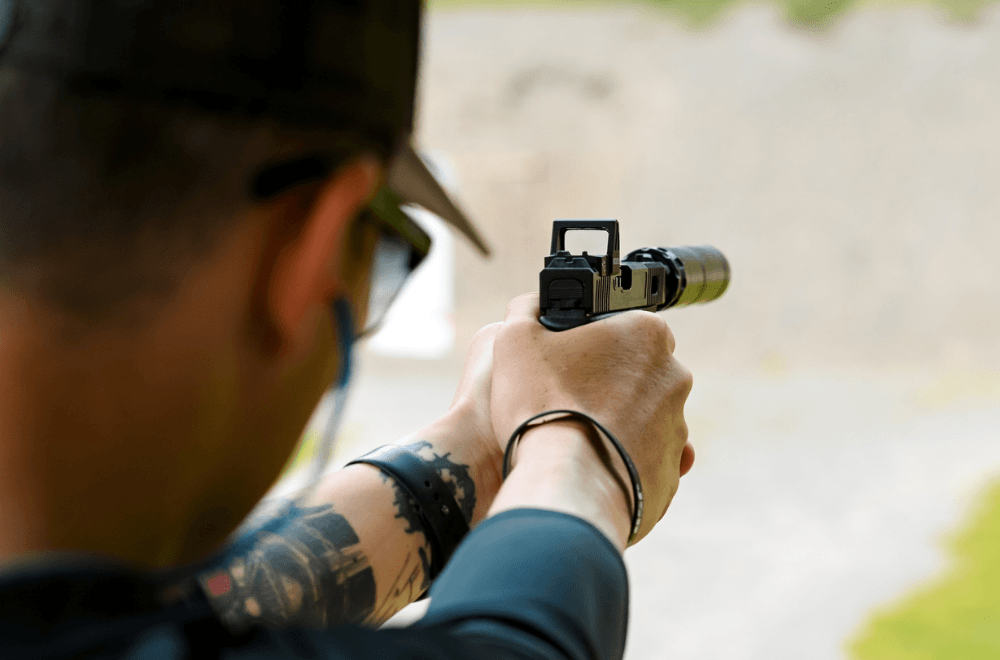
Top 5 Glock Upgrades You Can Make in 2026
Looking to upgrade your Glock? Explore the top performance upgrades for 2026, including trigger systems, optics, and components designed to improve control, accuracy, and overall shooting experience.

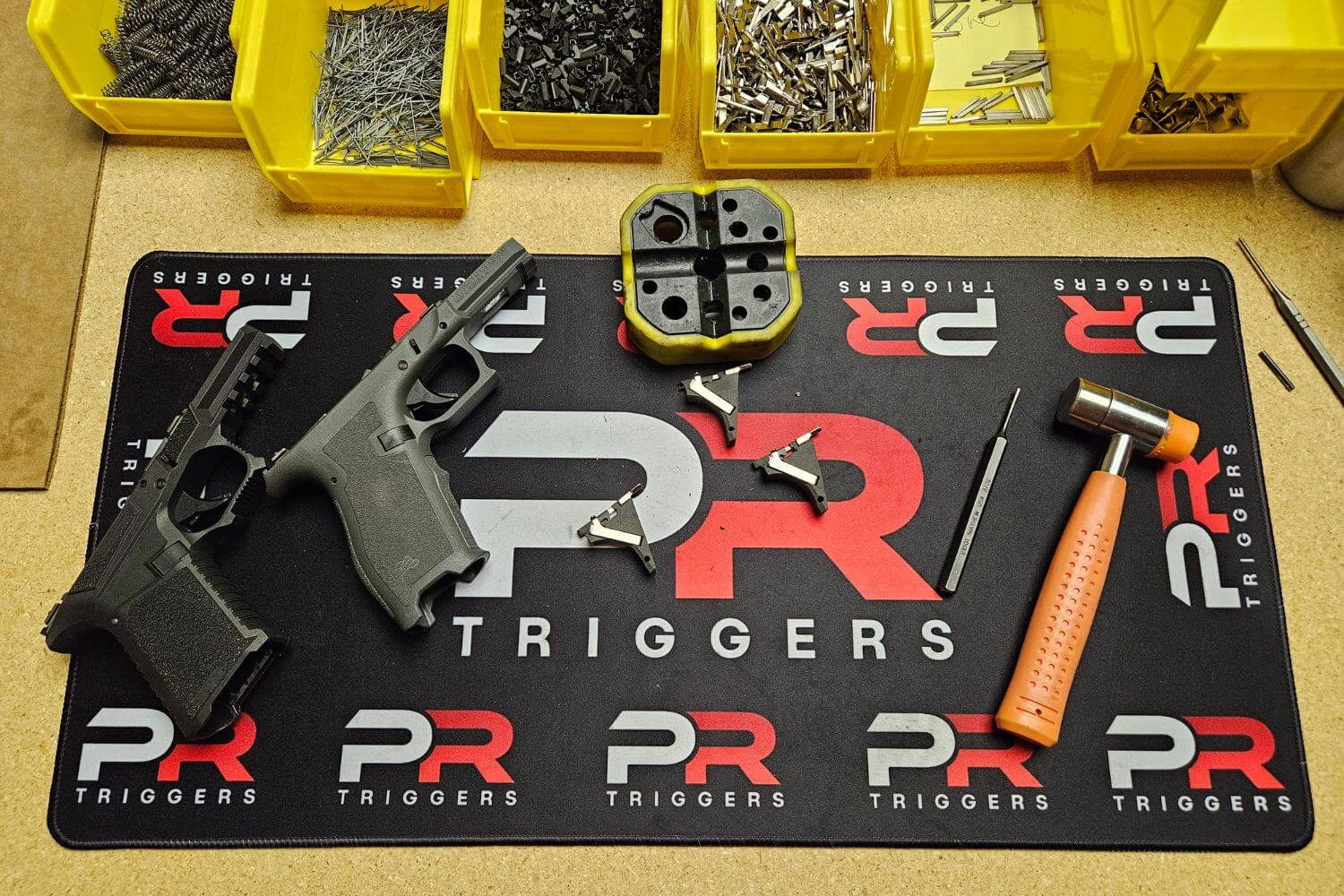
A pull release trigger is a specialized trigger system that fires one round when the trigger is pulled and another when the trigger is released. While this may sound unusual at first, it operates fully within the mechanics of a semi-automatic firearm by requiring a distinct trigger function for each shot.
Rather than changing the fundamental operation of the firearm, a pull release trigger alters how the shooter interacts with the trigger itself. The result is a different shooting rhythm that many enthusiasts find engaging for range use, while still maintaining standard semi-automatic behavior.
Pull release trigger systems are typically designed as drop-in upgrades for compatible platforms, allowing users to explore this functionality without permanent modification to their firearm.
To understand how a pull release trigger works, it helps to first look at how a traditional semi-automatic trigger functions.
In a standard configuration, pulling the trigger releases the firing mechanism, discharging a round. As the slide cycles, the trigger is forced forward into a reset position. The shooter must then pull the trigger again to fire the next shot.
A pull release trigger builds on this concept by introducing a second firing action during the forward movement of the trigger. When properly installed and functioning, one round is fired during the rearward pull of the trigger, and another is fired as the trigger is released forward.
This is accomplished through internal modifications to the trigger bar and engagement surfaces, allowing the firing mechanism to be activated at two distinct points in the trigger cycle. Importantly, each shot still corresponds to a separate mechanical action, which is why the system remains within semi-automatic classification.
Because pull release triggers behave differently than standard triggers, it’s important to clearly understand how they differ from automatic fire.
In a semi-automatic firearm, each shot requires a completed trigger function. That means the trigger must be engaged and reset before another round can be fired. This applies whether the shot occurs on the pull or the release.
Automatic firearms, on the other hand, continue firing as long as the trigger is held rearward. The shooter does not need to complete separate trigger actions for each round. This distinction is what defines automatic fire under federal law.
Pull release triggers do not eliminate the need for separate trigger functions. Instead, they divide those functions between the pull and release phases of the trigger cycle. As a result, they operate within the same semi-automatic framework as traditional trigger systems.
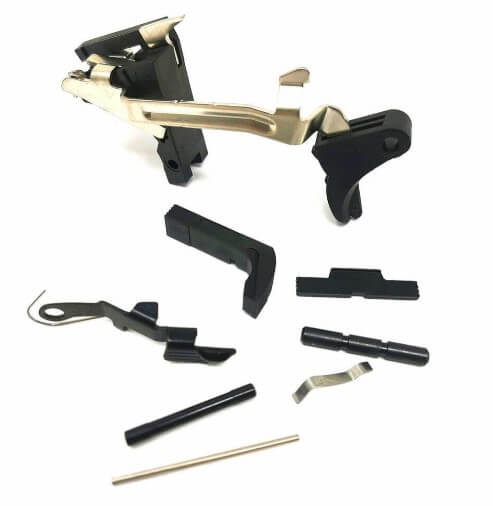
Pull release triggers are sometimes confused with illegal firearm modifications, but the two are fundamentally different in both design and function.
Illegal conversion devices are engineered to bypass the normal trigger reset process, allowing a firearm to discharge multiple rounds with a single, continuous trigger pull. This type of operation meets the legal definition of a machine gun under federal law.
A pull release trigger does not function in this way. It does not enable continuous fire, and it does not remove the requirement for distinct trigger actions. Each round fired is tied to a separate movement of the trigger, either rearward or forward.
Understanding this distinction is important not only from a legal standpoint, but also for safe and responsible use.
At the federal level, pull release trigger systems are generally considered components of semi-automatic firearms. However, firearm laws can vary significantly depending on the state and local jurisdiction.
Some states and municipalities have enacted restrictions that may apply to certain trigger modifications or firearm accessories. These regulations are subject to change, so it’s important to stay informed.
Before purchasing or installing a pull release trigger, users should verify all applicable laws in their area. This includes state, county, and city regulations, as well as any range-specific rules that may apply during use.
Currently, the Model G Pull Release Trigger is not available in the following states:
For most compatible platforms, installing a pull release trigger is similar to installing other aftermarket trigger components.
In the case of Glock-compatible systems, the process typically involves removing the factory trigger group and replacing it with the upgraded assembly. No permanent modifications are required, which makes the upgrade fully reversible if needed.
That said, a basic understanding of firearm components is important. Taking the time to follow proper installation procedures and performing a full function check before live fire is essential for safe operation.
If you’re unsure about any part of the process, working with a qualified gunsmith is always a good option.
One of the advantages of a pull release trigger is that it does not permanently alter the firearm.
Because the upgrade is reversible, the original components can be reinstalled at any time. This means the firearm can be returned to its factory configuration for resale or service.
However, it’s worth noting that some manufacturers may deny warranty claims on modified firearms. For this reason, restoring the original components before submitting a warranty claim is generally recommended.
Pull release trigger systems offer a different approach to how a firearm is operated at the trigger level. For many users, this provides a new way to engage with their platform during range sessions.
Rather than focusing purely on speed, the appeal often comes from the distinct rhythm and control required to operate the system effectively. As with any firearm component, becoming familiar with how it functions is key to using it safely and confidently.
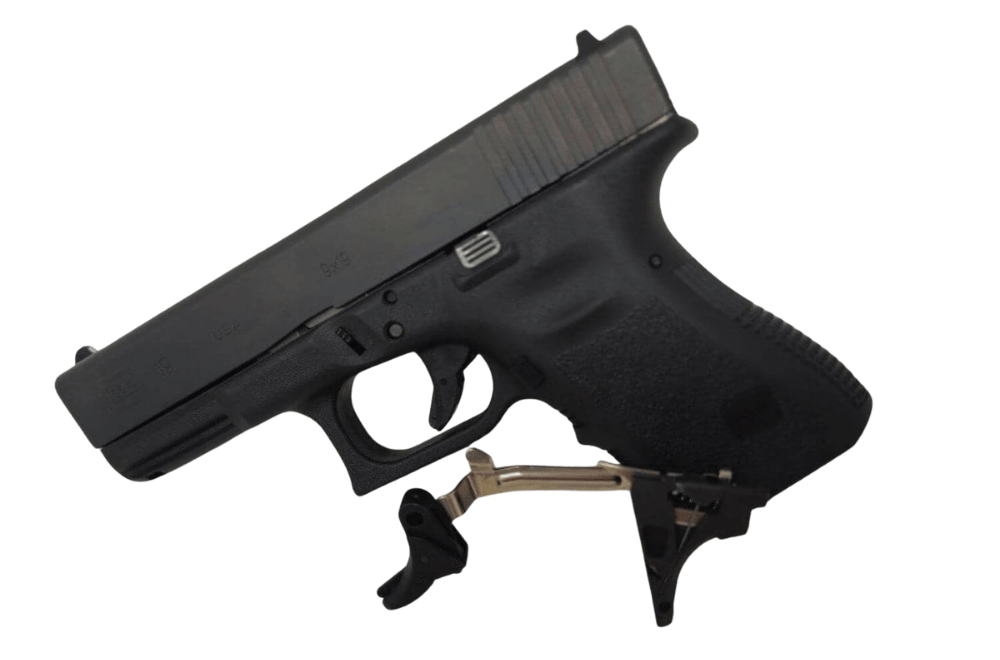
The Model G Pull Release Trigger is designed for Glock-compatible platforms and offers a drop-in solution for shooters interested in pull-and-release functionality.
Engineered for consistency and ease of installation, it provides a reliable way to explore an alternative trigger system while maintaining standard semi-automatic operation.
Does a pull release trigger make a gun automatic?
Is a pull release trigger legal?
Is installation beginner-friendly?
Looking to upgrade your Glock? Explore the top performance upgrades for 2026, including trigger systems, optics, and components designed to improve control, accuracy, and overall shooting experience.
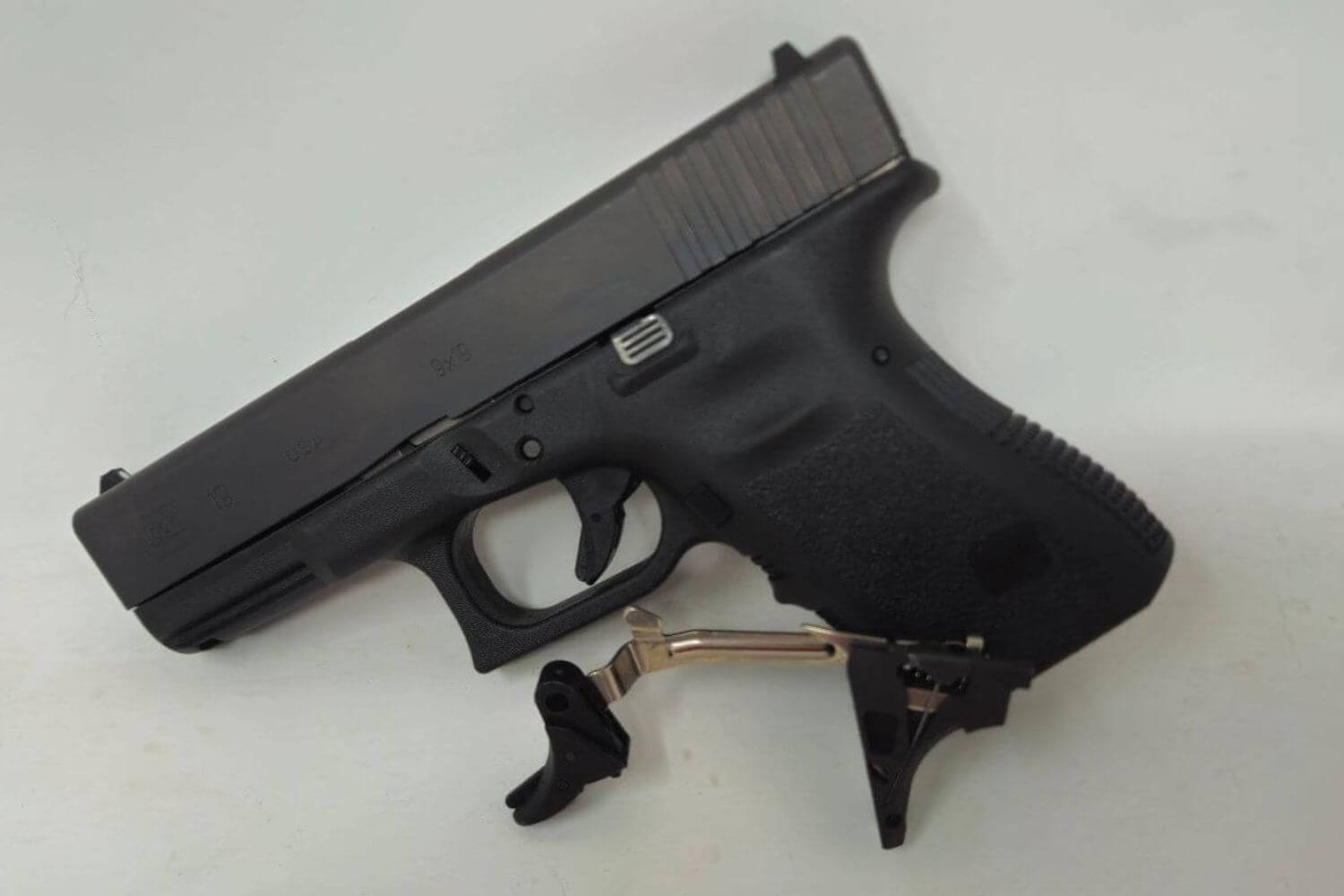
When you install a pull-release trigger on your gun, you’re getting more bang for your buck without permanently modifying the gun or running afoul of federal firearm laws. Our custom Glock trigger doubles your rate of fire while keeping your pistol semi-automatic.